Bassanova: A Modern Twist on Classic Design
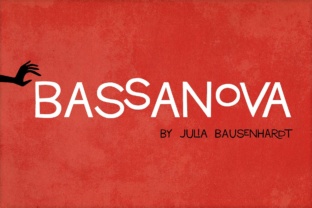
In the world of typography, where trends come and go with the speed of digital innovation, Bassanova stands out as a font that bridges the gap between past and present. Inspired by the iconic lettering on the Love in the Afternoon movie poster by Saul Bass, this dynamic display font captures the essence of minimalism while adding a unique, handlettered flair. For designers, marketers, and creators looking for a fresh yet familiar aesthetic, Bassanova offers a compelling solution that aligns with modern design sensibilities.
The Legacy Behind Bassanova
Saul Bass, a pioneer in graphic design and motion picture title sequences, is known for his ability to convey complex ideas through simple, powerful visuals. His work on the Love in the Afternoon poster exemplifies this philosophy—clean lines, bold shapes, and a sense of movement that feels both timeless and contemporary. Bassanova draws from this legacy, reinterpreting Bass’s signature style into a digital typeface that retains the same visual impact.
What makes Bassanova particularly intriguing is its approach to letterform variation. Each character has four different versions that can change automatically, creating a subtle but noticeable handlettered effect. This feature not only adds visual interest but also gives the font a more organic feel, which is increasingly valued in an era where authenticity and uniqueness are key differentiators.
Why Bassanova Matters in Today’s Design Landscape
As design trends continue to evolve, there is a growing emphasis on simplicity, clarity, and emotional resonance. Bassanova fits perfectly into this paradigm. Its clean, uncluttered look makes it ideal for branding, advertising, and editorial design, where readability and visual appeal are equally important. In a world saturated with digital content, fonts that stand out without overwhelming the viewer are becoming more valuable.
Moreover, the rise of remote work and digital collaboration has shifted how professionals approach their creative processes. Tools that offer flexibility and customization are in high demand. Bassanova’s automatic variation feature allows users to experiment with different styles quickly, making it a practical choice for those who need to iterate rapidly without sacrificing quality.
Trends That Align With Bassanova’s Philosophy
One of the most significant trends in recent years is the resurgence of retro aesthetics, particularly those rooted in mid-20th-century design. This trend isn’t about nostalgia—it’s about drawing inspiration from the past to create something relevant today. Bassanova taps into this movement by offering a modern interpretation of a classic design language.
Another trend that resonates with Bassanova is the shift toward personalized and humanized design. As consumers become more discerning, they seek out brands and products that feel authentic and relatable. The handlettered quality of Bassanova helps achieve this by adding a touch of individuality that mass-produced fonts often lack. Whether used in a logo, a headline, or a social media post, Bassanova can help a brand connect more deeply with its audience.
Practical Applications for Creators and Businesses
For creatives, Bassanova opens up new possibilities for expression. Its versatility makes it suitable for a wide range of projects, from print materials to digital interfaces. Designers can use it to add a distinctive visual identity to their work, whether they’re crafting a magazine layout, a website header, or a packaging design.
Businesses, too, can benefit from incorporating Bassanova into their branding strategy. In a competitive market, having a unique visual identity can make all the difference. By using a font that reflects both heritage and innovation, companies can position themselves as forward-thinking while still respecting tradition. This balance is especially important for brands targeting younger, design-conscious audiences.
How to Get the Most Out of Bassanova
To fully leverage Bassanova, it’s essential to understand its strengths and limitations. While it excels in display settings, it may not be the best choice for body text due to its decorative nature. However, when used appropriately, it can elevate the overall look of a project and add a layer of sophistication that sets it apart from more generic typefaces.
Experimentation is key. Try pairing Bassanova with complementary fonts to find the right balance between contrast and harmony. Also, consider the context in which it will be used. A bold, stylized headline might work well in a print ad, while a more restrained version could be better suited for a digital campaign.
Looking Ahead: The Future of Typography
As technology continues to advance, the role of typography in design will only become more significant. Fonts like Bassanova represent a shift toward more expressive, adaptable typefaces that can meet the demands of a fast-paced, visually driven world. They also reflect a broader cultural movement toward valuing craftsmanship and individuality in an age of automation and mass production.
For those interested in staying ahead of the curve, exploring fonts that blend historical influence with modern functionality is a smart move. Bassanova is just one example of how the past can inform the future, offering a glimpse into what’s possible when design meets innovation.
Conclusion: Embracing the Timeless and the Trendy
Bassanova is more than just a font—it’s a statement. It honors the legacy of a design icon while embracing the needs of today’s creative professionals. Whether you’re a designer looking for inspiration, a business owner seeking a unique brand identity, or a curious reader interested in the intersection of art and technology, Bassanova offers something valuable.
In a world where first impressions matter, and differentiation is key, fonts like Bassanova provide a powerful tool for making an impact. By combining the best of the past with the possibilities of the future, it sets a new standard for what a typeface can achieve.