Blocker: A Bold, Modular Typographic Solution
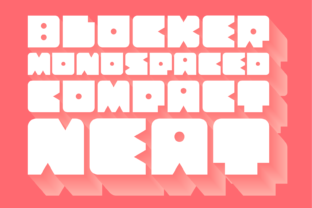
Blocker is a monospaced modular typeface that stands out for its clean, geometric structure and strong visual presence. Designed with simplicity in mind, it combines the precision of block shapes with the flexibility of a modular system. This makes it ideal for projects where clarity, order, and impact are essential.
What sets Blocker apart is its ability to maintain readability while delivering a bold, structured aesthetic. Its consistent spacing and uniform design make it particularly effective when used in large formats, such as posters, signage, or digital displays. The font’s straightforward nature allows it to work well in both digital and print environments, offering versatility without sacrificing style.
Why Blocker Works for Display Typography
Blocker shines when used as a display typeface, especially in situations where legibility at a distance is crucial. Its strong, angular forms ensure that each character remains distinct, even when scaled up. This makes it a great choice for headlines, titles, and other prominent text elements that need to command attention without overwhelming the viewer.
The font’s modular design also lends itself well to creative layouts. Because each character is built from simple geometric shapes, it can be easily manipulated or combined with other design elements. This opens up possibilities for custom typography, iconography, or even interactive digital experiences where form and function intersect.
Creative Possibilities with Blocker
Designers and creators can use Blocker to add a modern, structured feel to their work. Whether you're designing a website, crafting a brand identity, or working on a print project, Blocker offers a unique way to communicate ideas with clarity and confidence.
- Website Headers: Use Blocker for main headings to create a strong visual hierarchy and reinforce your brand's tone.
- Print Materials: Incorporate Blocker into brochures, posters, or packaging to add a professional and cohesive look.
- UI/UX Design: Leverage its clean lines and modular structure to enhance user interfaces, especially in tech or data-driven applications.
- Artistic Projects: Experiment with Blocker in digital art, illustrations, or motion graphics to introduce a sense of order and precision.
Its adaptability means that Blocker isn’t limited to one specific use case. It can be tailored to fit different industries, audiences, and platforms, making it a valuable tool for anyone looking to combine functionality with visual appeal.
Adapting Blocker for Different Goals and Audiences
One of the strengths of Blocker is its ability to be adapted for various purposes. For instance, a marketer might use it in a campaign to emphasize clarity and professionalism, while an educator could use it in presentations to improve readability and focus.
For small business owners, Blocker can help create a consistent visual language across all materials, reinforcing brand identity and trust. Entrepreneurs might find it useful in developing a strong online presence, where clear communication is key to engaging customers.
Freelancers and creatives can experiment with Blocker to develop unique styles that reflect their personal brand. By adjusting size, color, and spacing, they can tailor the font to suit different projects and audiences without losing its core characteristics.
Practical Tips for Using Blocker Effectively
To get the most out of Blocker, consider the following tips:
- Use It Sparingly: Blocker’s strong presence means it works best when used in moderation. Avoid overloading a design with too much text in this font.
- Pair It With Simpler Fonts: Combine Blocker with more traditional typefaces to balance its boldness and create a harmonious visual flow.
- Focus on Contrast: Use color, size, and spacing to highlight important elements and guide the viewer’s eye through the design.
- Test It at Scale: Make sure to see how Blocker looks in different sizes and formats before finalizing your design.
By following these guidelines, users can ensure that Blocker enhances their work rather than distracts from it. The goal is to maintain clarity and effectiveness while still allowing for creative expression.
Blocker in Action: Real-World Examples
Consider a tech startup using Blocker for their product landing page. The font’s clean, structured appearance aligns with the company’s focus on innovation and efficiency. At the same time, its boldness helps draw attention to key features and calls to action.
A designer creating a poster for a music festival might use Blocker to list event details. The font’s readability ensures that information is easy to digest, while its visual strength adds energy and excitement to the overall design.
In education, a teacher could use Blocker in a presentation to emphasize important points, making the content more engaging and easier to follow. Its consistency also helps students stay focused and retain information more effectively.
Conclusion: Embrace the Power of Blocker
Blocker is more than just a font—it’s a design tool that encourages clarity, structure, and creativity. Whether you’re a designer, marketer, educator, or entrepreneur, there’s a place for Blocker in your workflow. Its versatility and strong visual identity make it a valuable asset for any project that requires clear communication and impactful design.
By understanding its strengths and applying it thoughtfully, you can unlock new ways to express your ideas and connect with your audience. Blocker isn’t just about style; it’s about purpose, precision, and practicality in every line and shape.