Carbonera: A Bold, Textured Font with a Unique Story
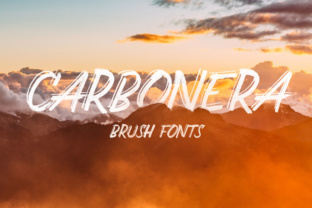
Carbonera is more than just a font—it’s a statement. Designed with a gritty, textured aesthetic, it brings a raw, authentic feel to any project. What makes Carbonera truly stand out is its origin story: the unique strokes that define its look are inspired by cigarette filters. This unexpected source gives the font a distinctive character that can add depth and visual interest to your work.
Whether you're a designer, marketer, or creative professional, Carbonera offers a fresh alternative to standard typefaces. Its rough edges and irregular shapes create a sense of authenticity that can make your designs feel more grounded and real. But how exactly does this font work, and where can it be used? Let’s explore what makes Carbonera special and how it can enhance your projects.
What Makes Carbonera Unique?
At first glance, Carbonera might seem like an unusual choice for a font. Its design isn’t smooth or polished; instead, it has a hand-crafted, almost industrial look. The texture mimics the grainy surface of a cigarette filter, giving each letter a tactile quality. This isn’t just about aesthetics—it’s about creating a visual language that tells a story.
The font’s irregularities aren’t random. They’re carefully designed to evoke a sense of imperfection and realism. This makes Carbonera ideal for projects that aim to feel more human or organic. It works well when you want to convey a message that feels genuine, whether it's a brand identity, a poster, or a digital layout.
When to Use Carbonera
Carbonera is best suited for display purposes rather than body text. Its intricate details make it difficult to read in long passages, but that’s part of its charm. It shines when used as a headline, logo, or decorative element. For example, a small business owner looking to create a bold brand identity might use Carbonera for their logo to stand out from competitors.
It also works well in creative contexts such as art installations, graffiti-inspired designs, or vintage-themed projects. If you're designing a poster for a music festival, a book cover for a gritty novel, or a campaign focused on sustainability, Carbonera could be the perfect fit. Its texture adds a layer of meaning that complements these themes.
Real-World Applications
- Brand Identity: A coffee shop or artisanal product line might use Carbonera to reflect a handmade, down-to-earth vibe.
- Marketing Campaigns: A campaign promoting eco-friendly products could use Carbonera to visually reinforce the idea of natural, unprocessed materials.
- Art Projects: Artists working with mixed media or street art might incorporate Carbonera to add a layered, textured effect.
- Web Design: When used sparingly, Carbonera can add visual interest to headings or banners on websites with a retro or edgy theme.
Why Choose Carbonera?
For many designers, the appeal of Carbonera lies in its ability to evoke emotion through form. Unlike clean, modern fonts, which often feel sterile or impersonal, Carbonera brings a sense of warmth and character. It’s not just about looking different—it’s about feeling different.
Carbonera also appeals to those who want to break away from traditional design norms. If you're tired of seeing the same fonts everywhere, this one offers a refreshing change. It can help your work stand out in a crowded market, making it a valuable tool for anyone looking to express individuality through typography.
Considerations Before Using Carbonera
While Carbonera is visually striking, it’s important to use it thoughtfully. Its texture and irregular shapes may not work in every context. For instance, if you're designing a website that needs to be accessible to all users, a simpler font might be more appropriate.
Also, consider the audience. If your target demographic prefers clean, minimal designs, Carbonera might not resonate as strongly. However, if your audience values authenticity, grit, or a unique visual style, this font could be a powerful asset.
Getting Started with Carbonera
If you're new to using custom fonts, start by experimenting with small projects. Try applying Carbonera to a headline or a title in a design software like Adobe Photoshop or Canva. See how it interacts with other elements and adjust accordingly.
Remember, the goal is to enhance your message, not overshadow it. Use Carbonera strategically—perhaps as a focal point in a larger composition. Pair it with simpler fonts for balance, and always test how it looks in different sizes and formats.
Final Thoughts
Carbonera is more than just a font; it’s a conversation starter. Its unique design and compelling backstory make it a standout choice for creatives looking to add personality to their work. Whether you're launching a new brand, designing a piece of art, or simply exploring typography, Carbonera offers a fresh perspective that can elevate your projects in unexpected ways.
By understanding its strengths and limitations, you can make the most of this distinctive typeface. With the right approach, Carbonera can become a powerful tool in your design arsenal, helping you tell stories that feel real, raw, and deeply human.