Digital Era: A Futuristic Font for Modern Design
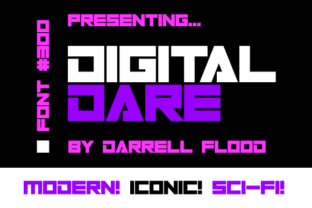
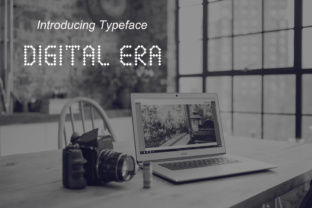
The Digital Era font is a unique typeface that blends futuristic aesthetics with functional design. Created by combining square and triangle shapes into dotted letters, it offers a visual style that feels both modern and innovative. This font is ideal for projects that require a strong, tech-driven presence, making it a popular choice among designers working on digital interfaces, branding materials, and multimedia content.
Unlike traditional fonts that rely on consistent strokes and curves, Digital Era uses geometric elements to create a distinct look. The use of dots and sharp angles gives the typeface a sense of movement and energy, which can be particularly effective in digital environments where clarity and impact are essential.
What Makes Digital Era Distinct?
One of the most notable features of Digital Era is its structural composition. By using squares and triangles, the font achieves a level of abstraction that sets it apart from more conventional typefaces. This approach not only creates a visually striking appearance but also allows for greater flexibility in different design contexts.
The font’s dot-based design also contributes to its readability, especially at smaller sizes. While some abstract fonts can become difficult to read when scaled down, Digital Era maintains legibility through careful spacing and proportion. This makes it suitable for a wide range of applications, from website headers to mobile app interfaces.
Another key aspect of Digital Era is its versatility. It can be used in both digital and print formats, making it a practical choice for designers who work across multiple mediums. Its clean lines and structured layout also make it well-suited for minimalist or high-tech designs, where simplicity and precision are valued.
Comparing Digital Era with Similar Options
When considering Digital Era, it’s helpful to compare it with other fonts that share similar characteristics. For example, many geometric sans-serif fonts, such as Futura or Gotham, also use structured shapes to create a modern feel. However, these fonts tend to have a more uniform appearance, whereas Digital Era introduces a more dynamic and varied visual language.
Fonts like Bebas Neue or Montserrat are often used for headings and titles due to their bold, clean look. While these fonts are highly readable and versatile, they lack the distinctive dot-based structure that defines Digital Era. This makes Digital Era a better fit for projects that aim to stand out with a more experimental or futuristic aesthetic.
In contrast, more decorative or script-style fonts may offer a different kind of visual appeal, but they often sacrifice readability for artistic expression. Digital Era strikes a balance between creativity and functionality, making it a practical choice for designers who want to maintain clarity while still achieving a unique look.
Strengths and Tradeoffs of Digital Era
One of the main strengths of Digital Era is its ability to convey a sense of innovation and forward-thinking. This makes it an excellent choice for brands or projects that want to communicate a technological or digital identity. Its structured design also helps in creating a cohesive visual language, especially when used in conjunction with other modern design elements.
However, there are tradeoffs to consider. The font’s abstract nature may not be suitable for all types of content. In cases where a more traditional or formal tone is required, Digital Era could appear too unconventional or distracting. Additionally, while it is readable at smaller sizes, it may not be the best choice for long blocks of text due to its stylized form.
Another consideration is the availability of the font. While many digital typefaces are widely accessible, some may require specific licensing or integration with design software. Users should ensure that Digital Era is compatible with their preferred tools and workflows before committing to its use.
Best Fit Situations for Digital Era
Digital Era is particularly well-suited for projects that emphasize technology, innovation, or digital culture. It can be an effective choice for websites, apps, or marketing materials targeting tech-savvy audiences. Its bold and structured design makes it ideal for headlines, logos, and other prominent visual elements where impact is important.
For example, a startup focused on artificial intelligence or a tech conference looking to create a modern brand identity might find Digital Era to be a compelling option. Its visual style aligns with the themes of progress and digital transformation, helping to reinforce the message of the project or brand.
Additionally, Digital Era can be useful in creative industries such as gaming, animation, or interactive media, where a futuristic aesthetic is desired. Its ability to blend geometric shapes with a sense of motion makes it a versatile tool for designers looking to push the boundaries of traditional typography.
When to Consider Alternatives
While Digital Era has many advantages, there are situations where other fonts may be more appropriate. For instance, if the goal is to create a more professional or timeless look, a classic serif or sans-serif font might be a better fit. These fonts often provide a more stable and recognizable appearance, which can be beneficial in certain business or academic contexts.
Similarly, if the primary focus is on readability rather than visual style, a simpler font like Arial, Helvetica, or Roboto could be more effective. These fonts are designed with a broad audience in mind and are generally easier to read in large quantities of text.
Designers should also consider the overall visual harmony of their work. If the rest of the design elements are more traditional or minimal, adding a highly stylized font like Digital Era could create a mismatch. In such cases, selecting a font that complements the existing design language may lead to a more cohesive final result.
Practical Examples and Use Cases
One real-world application of Digital Era is in the design of user interfaces for smart devices or digital platforms. For example, a mobile app focused on virtual reality experiences might use Digital Era for its title screen or navigation elements to reinforce the futuristic theme. The font’s structured design helps to create a sense of order and control, which can enhance the user experience.
Another scenario where Digital Era could be beneficial is in the creation of promotional materials for tech events or product launches. By incorporating the font into banners, posters, or social media graphics, organizers can establish a clear visual identity that reflects the event’s theme. This consistency can help to build recognition and engagement among the target audience.
For independent designers or small businesses, Digital Era can serve as a signature element in branding efforts. Whether used in a logo, website header, or social media profile, the font can help to differentiate the brand from competitors and create a memorable impression.
Decision Factors for Choosing Digital Era
When deciding whether to use Digital Era, several factors should be considered. First, the intended audience plays a significant role. If the target demographic is younger or more tech-oriented, the font may resonate more effectively. However, for broader or more traditional audiences, a different typeface might be more appropriate.
The context of use is another important consideration. Digital Era works well in digital environments where visual impact is a priority, but it may not be the best choice for printed materials that require a more subdued or classic look. Designers should also think about how the font will interact with other design elements, such as colors, images, and layouts.
Finally, accessibility and usability should not be overlooked. While Digital Era is generally readable, it’s important to test it in different scenarios to ensure that it meets the needs of all users. This includes checking how it appears on various devices and in different lighting conditions.