Knicknack: A Font That Brings Joy to Every Design
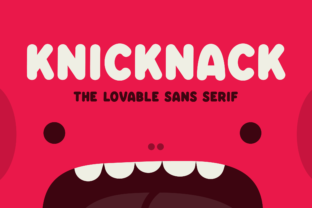
When it comes to typography, the right font can make all the difference. Knicknack is more than just a typeface—it’s a character that adds warmth, charm, and personality to any project. With its smooth curves and rounded edges, this premium font exudes a friendly, approachable vibe that instantly makes designs feel more inviting. Whether you're working on a logo, packaging, or social media graphic, Knicknack has the power to turn a simple message into something unforgettable.
Designed with both creativity and practicality in mind, Knicknack offers three distinct styles, each tailored for different design needs. From bold and playful to soft and elegant, these variations give designers flexibility without sacrificing the font’s signature appeal. The visual characteristics of Knicknack are what set it apart—its rounded shapes and gentle lines create a sense of comfort and familiarity, making it ideal for projects that aim to connect emotionally with the audience.
Where Knicknack Shines in Design Projects
Knicknack works exceptionally well in a variety of creative and commercial contexts. For branding purposes, it can be used to craft logos that feel personal and authentic. Its warm tone makes it a great choice for businesses looking to convey a sense of approachability, whether they’re a boutique store, a children’s product line, or a lifestyle brand. In editorial design, Knicknack adds a touch of whimsy to headlines, captions, and feature sections, making content more engaging and visually dynamic.
In the realm of packaging design, Knicknack brings a unique charm that stands out on shelves. Its rounded form helps create a cohesive look that feels modern yet nostalgic, appealing to a wide range of consumers. For web design and social media graphics, this font adds a human element that resonates with audiences, especially when paired with other clean, modern typefaces. It’s also a popular choice for handmade or artisanal brands that want to maintain a personal touch in their digital presence.
On the print side, Knicknack excels in everything from business cards and flyers to brochures and signage. Its readability at smaller sizes ensures that even when used in body text, it remains legible and pleasant to the eye. This makes it a versatile option for both digital and physical materials, offering consistency across different platforms and formats.
How Knicknack Influences Brand Perception and Audience Engagement
The right font can shape how an audience perceives a brand. Knicknack’s friendly and rounded appearance contributes to a perception of warmth, trust, and creativity. When used consistently across marketing materials, it reinforces brand identity and helps build recognition. This is especially valuable for small businesses and independent creators who want to establish a strong, memorable presence in competitive markets.
Visual hierarchy is another area where Knicknack shines. Its distinct shapes and spacing allow it to stand out in headings and titles while still maintaining a balanced layout. When paired with complementary fonts, it creates a harmonious design that guides the viewer’s eye naturally through the content. This is crucial for maintaining clarity and ensuring that key messages are communicated effectively.
For designers, understanding how to use Knicknack effectively involves testing different applications. Experimenting with font pairings, such as combining it with a clean sans-serif for body text, can enhance readability without losing the font’s charm. It’s also important to consider the context in which it will be used—whether it’s for a high-end product or a casual blog post, the font should align with the overall aesthetic and purpose of the project.
Practical Tips for Using Knicknack in Your Projects
Before incorporating Knicknack into your design, take time to evaluate how it fits with your project’s goals. Consider the tone you want to convey and whether the font’s personality matches that vision. For example, if you’re designing for a tech startup, a more modern and minimal font might be more appropriate. But for a children’s book or a cozy café branding, Knicknack could be a perfect fit.
Testing is essential. Try using the font in different sizes and settings to see how it performs in real-world scenarios. Pay attention to how it looks on screen versus in print, and test it with various color combinations to ensure it remains readable and visually appealing. Many designers find that using Knicknack in combination with a contrasting font helps create a balanced and professional look.
Understanding the included styles is also key. The three variations of Knicknack offer options for different levels of emphasis and style. Use the bold version for headlines, the regular for body text, and the light variant for subtle accents. This not only adds visual interest but also improves the overall flow of the design.
Finally, always review the commercial licensing terms before using Knicknack in any project. Make sure it’s suitable for your intended use, whether it’s for personal, freelance, or corporate work. Proper licensing ensures that you can use the font without legal issues and allows for broader application across different platforms and mediums.
Knicknack is more than just a font—it’s a tool that brings personality and emotion to every design. Whether you’re creating a logo, a package, or a social media post, this font has the potential to elevate your work and leave a lasting impression on your audience. With its warm, smooth, and rounded style, it’s a choice that combines beauty with functionality, making it a valuable addition to any designer’s toolkit.