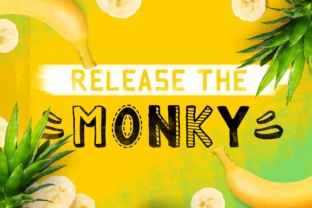
Monky: A Bouncy, Versatile Font for Creative Expression
Monky is a unique sans serif font family that stands out for its playful, bouncy character and wide range of styles. Designed with creativity in mind, it offers designers and typographers a flexible tool to add an eclectic flair to their work. Whether you're working on branding, editorial design, or digital content, Monky provides a fresh alternative to more conventional typefaces.
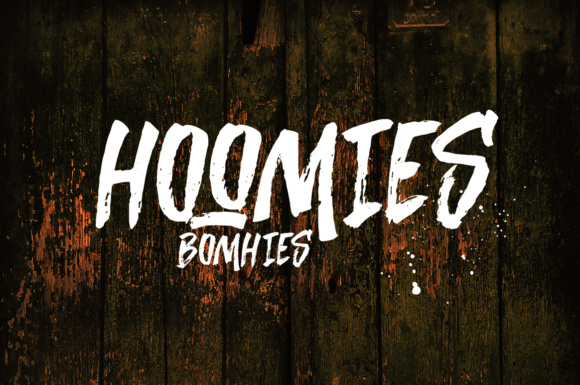
The font’s distinctiveness comes from its varied shapes and dynamic structure. Each letterform has a slightly irregular, hand-drawn quality that gives it a sense of movement and energy. This makes Monky particularly well-suited for projects that require a casual, fun, or artistic tone. Its versatility allows it to be used in both large-scale display settings and smaller text applications, depending on the design needs.
What Makes Monky Unique?
Unlike many standard sans serifs that prioritize clean lines and uniformity, Monky embraces a more organic and expressive approach. The font features subtle variations in stroke weight and shape, which contribute to its lively appearance. These characteristics make it ideal for designs that aim to feel more human, spontaneous, or unconventional.
Monky also includes multiple weights and styles, such as regular, bold, italic, and alternate versions. This range allows users to experiment with different visual hierarchies and moods within a single project. For example, a designer might use the bold version for headings to create a strong visual impact, while using the lighter variant for body text to maintain readability without sacrificing style.
Another notable feature is the font’s adaptability across different media. Whether applied to print materials, web interfaces, or social media graphics, Monky retains its character and clarity. Its legibility at various sizes and resolutions makes it a practical choice for both digital and physical formats.
Monky in Comparison to Similar Fonts
When considering alternatives to Monky, it's important to evaluate how it stacks up against other fonts in the same category. Many modern sans serifs, such as Montserrat or Poppins, are known for their clean, structured aesthetics. These fonts often serve as reliable choices for professional or corporate design work where consistency and neutrality are key.
In contrast, Monky leans into a more expressive and informal style. While this can be a major advantage for creative projects, it may not always be the best fit for more traditional or formal contexts. For instance, a business website might benefit more from a font like Roboto, which offers a balanced, neutral look that supports readability and professionalism.
Fonts like Quicksand or Raleway provide a middle ground, offering a friendly yet polished appearance. They are often used in web design and user interfaces where a modern, approachable feel is desired. However, they lack the distinctive, quirky personality that Monky brings to the table.
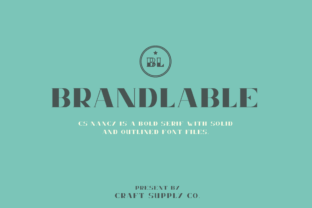
For those looking for a more dramatic or artistic touch, fonts like Great Vibes or Pacifico offer a cursive or script style. These are excellent for logos or headlines that need a more handwritten or elegant feel. However, they may not be as versatile as Monky when it comes to larger blocks of text or multi-style applications.
Best Use Cases for Monky
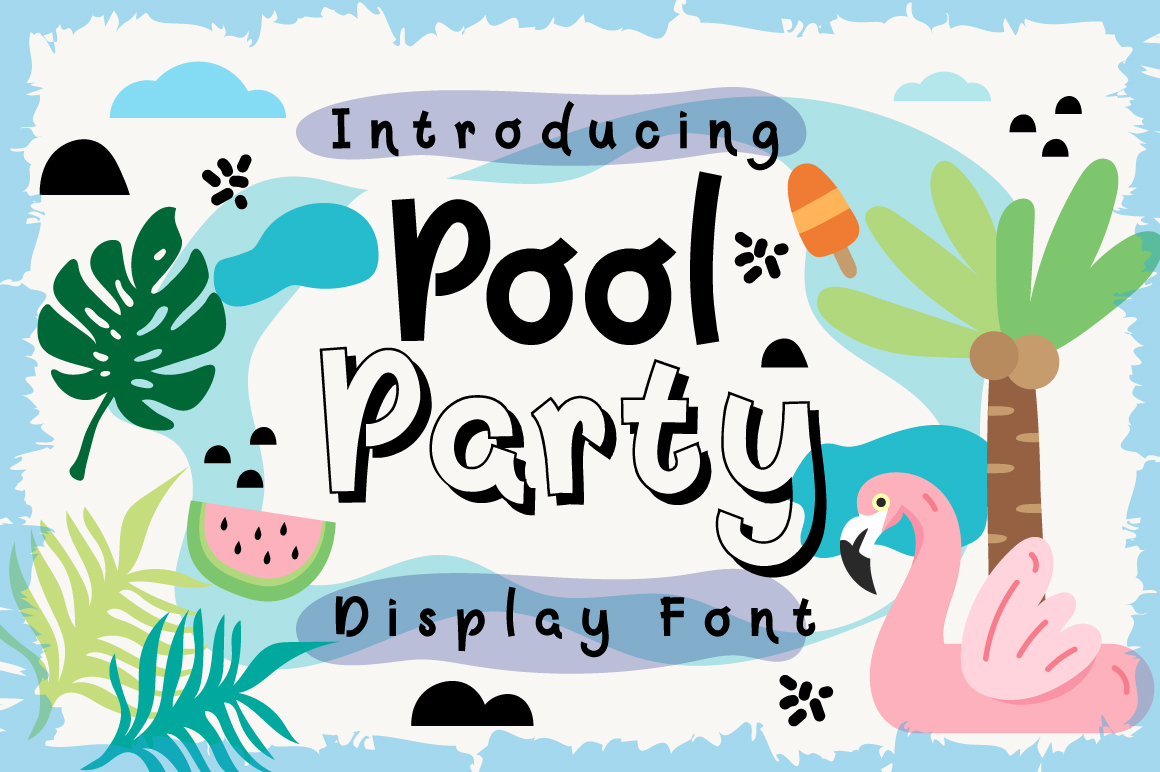
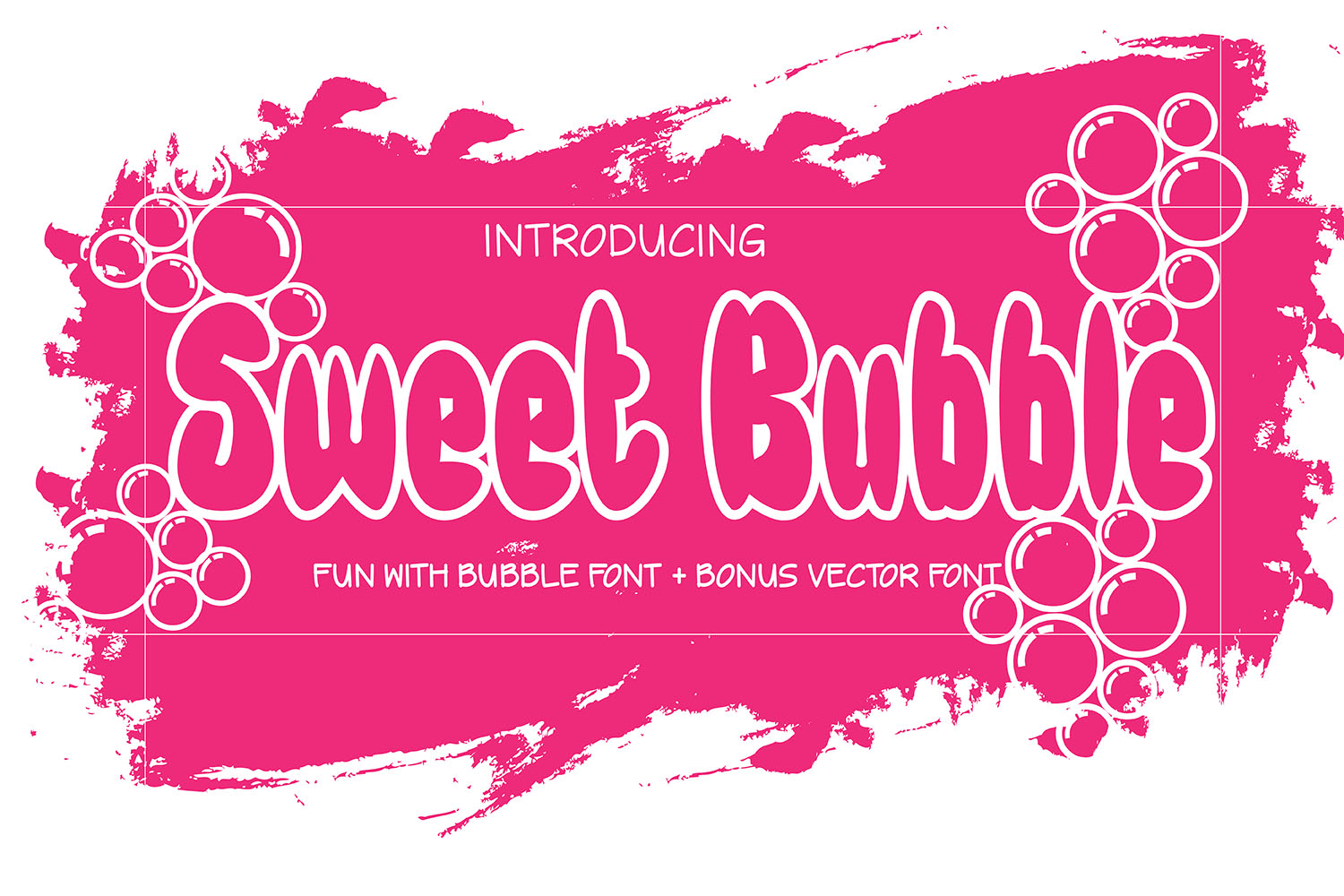
Monky shines in scenarios where a bold, eye-catching presence is needed. It works well for creative industries such as fashion, entertainment, or art-related projects. For example, a music festival poster might use Monky to convey energy and excitement, while a children's book title could benefit from its playful and engaging look.
It's also a good option for brands that want to communicate a sense of fun or innovation. Startups or tech companies aiming to appear more approachable might find Monky useful in their visual identity. However, it's essential to consider the target audience and the overall brand message before making a final decision.
In editorial design, Monky can be used to highlight specific sections or add visual interest to layouts. Its ability to stand out without being overwhelming makes it a valuable addition to any designer’s toolkit. That said, it should be used strategically to avoid cluttering the design or reducing readability.
Limitations and Considerations
While Monky offers many advantages, it's not without limitations. One potential drawback is its suitability for long-form text. Due to its stylized nature, it may not be the best choice for extended paragraphs or dense content where clarity and ease of reading are critical. In such cases, a more traditional sans serif like Open Sans or Lato might be a better fit.
Another consideration is the font’s availability and licensing. Depending on the platform or software being used, Monky may not be included by default. Users may need to download and install it separately, which could be a minor inconvenience for some workflows. Additionally, the font’s unique characteristics may not render consistently across all devices or browsers, especially if it's not properly embedded.
Finally, the font’s playful aesthetic may not align with every design goal. If the objective is to create a serious, minimalist, or highly structured look, Monky could feel out of place. Designers should carefully assess whether the font’s personality matches the intended message and audience.
When to Choose Monky and When to Explore Alternatives
Monky is a strong choice when the goal is to add a unique, energetic element to a design. It excels in situations where creativity and individuality are valued over strict formality. For example, a marketing campaign targeting younger audiences or a creative portfolio that aims to showcase originality could benefit greatly from Monky’s distinctive style.
However, if the project requires a more subdued or professional tone, alternative fonts may be more appropriate. In these cases, fonts like Helvetica Neue, Futura, or Georgia can provide a cleaner, more timeless look. Similarly, for high-contrast or technical applications, a font with a stronger structural foundation might be preferable.
Ultimately, the decision to use Monky should be based on the specific needs of the project and the desired outcome. By understanding its strengths and limitations, designers can make informed choices that enhance their work rather than detract from it.
Conclusion: Monky as a Creative Tool
Monky is a versatile and expressive font that offers a refreshing alternative to more conventional typefaces. Its dynamic, bouncy style makes it ideal for creative projects that require a sense of movement and personality. However, its suitability depends on the context, audience, and design goals.
By comparing it with other options and considering its practical applications, users can determine whether Monky is the right choice for their needs. Whether used as a primary typeface or as a complementary element, Monky has the potential to elevate a design and bring a unique voice to the visual language.