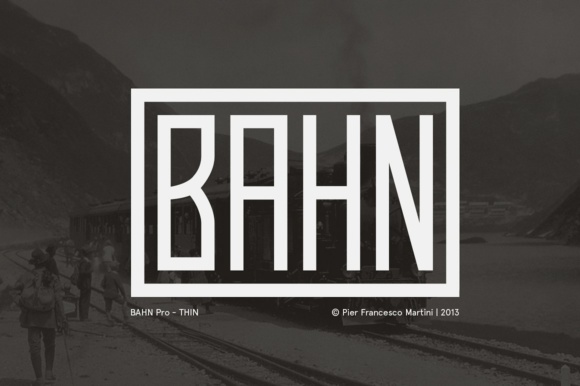
Bahn Pro Thin: A Sleek, Retro-Inspired Font for Modern Workflows
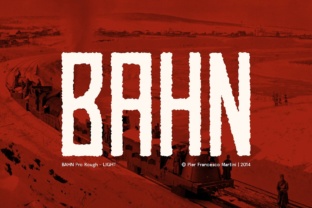
Bahn Pro Thin is a display font that blends modern design with a nostalgic aesthetic. Its tall, clean lines and subtle retro flair make it ideal for projects that require visual distinction without overwhelming the viewer. Inspired by old Austrian Bahn railway signs, this font carries a sense of history and purpose, making it a versatile choice across various creative and professional workflows.
Whether you're designing a logo, crafting a presentation, or developing a brand identity, Bahn Pro Thin can add character and clarity to your work. Its unique structure allows it to stand out in both digital and print formats, offering a balance between readability and style.
Understanding Bahn Pro Thin in the Design Process
In the broader context of design, Bahn Pro Thin fits into the early stages of concept development, where typography plays a key role in shaping visual direction. It’s often used when a project needs a distinct identity that reflects a specific theme or era. For instance, if you're working on a campaign for a travel-related brand or a historical project, Bahn Pro Thin can help convey the right tone and message.
The font works well in situations where contrast and legibility are important. Its thin strokes allow for elegant spacing, making it suitable for headings, titles, and signage. However, it's less ideal for large blocks of text due to its delicate structure, which may reduce readability at smaller sizes.
Integrating Bahn Pro Thin into Your Workflow
Before starting a project, consider how Bahn Pro Thin aligns with your overall design strategy. If your goal is to evoke a vintage feel while maintaining a modern edge, this font can be a powerful tool. It pairs well with other retro-inspired typefaces or minimalist designs, depending on the desired outcome.
During the execution phase, use Bahn Pro Thin to create visual hierarchy. For example, in a website layout, it can serve as a headline font that draws attention without clashing with body text. In print materials like brochures or posters, it can enhance the visual storytelling by adding a layer of historical authenticity.
After the initial design is complete, test Bahn Pro Thin in different contexts. Ensure it remains legible across devices and mediums. Check how it interacts with other design elements such as colors, images, and layouts. This step helps maintain consistency and avoids potential issues that could arise from poor font pairing.
Practical Use Cases for Bahn Pro Thin
One common use case is in branding and marketing. Businesses looking to differentiate themselves can use Bahn Pro Thin to create a unique visual identity. It’s particularly effective for brands that want to highlight tradition, craftsmanship, or a connection to the past.
For content creators and bloggers, Bahn Pro Thin can be used in title cards, social media graphics, or video overlays. Its retro appeal can attract audiences who appreciate vintage aesthetics, making it a valuable addition to multimedia projects.
Educators and presenters may find Bahn Pro Thin useful for slides or handouts that require a visually engaging format. When paired with simple, clean backgrounds, it can enhance the clarity of information while maintaining an artistic touch.
Compatibility and Technical Considerations
When using Bahn Pro Thin, ensure it's compatible with your design software and platforms. Most modern design tools like Adobe Creative Suite, Figma, and Canva support this font, but always verify availability before finalizing a project.
Consider file formats and licensing. Some fonts come in multiple formats (OTF, TTF, WOFF), and proper licensing ensures legal compliance, especially for commercial use. Always review the license agreement to avoid any unexpected restrictions.
For web use, convert Bahn Pro Thin into web-friendly formats like WOFF or WOFF2. This ensures fast loading times and broad browser compatibility. Additionally, use CSS to control font weights and styles, allowing for greater flexibility in design.
Workflow Tips for Effective Implementation
Start by defining the purpose of Bahn Pro Thin in your project. Ask yourself: What message do I want to convey? What audience am I targeting? These questions will guide your decision on where and how to apply the font.
Create a style guide that includes Bahn Pro Thin alongside other fonts, colors, and design elements. This document serves as a reference for consistency across all materials, whether they’re digital or physical.
Experiment with different weights and sizes. While Bahn Pro Thin is a thin font, some variations may offer more weight options. Test these in real-world scenarios to determine what works best for your specific needs.
Long-Term Use and Maintenance
Over time, monitor how Bahn Pro Thin performs in different environments. As design trends evolve, you may need to adjust its usage or pair it with newer fonts. Stay informed about updates and changes to the font itself, especially if it’s part of a larger brand system.
Regularly review your design assets to ensure Bahn Pro Thin continues to meet your goals. Replace or refine elements where necessary to maintain quality and relevance. This practice helps keep your work fresh and aligned with current standards.
Finally, share your experiences with others. Whether through design communities, forums, or personal networks, discussing how Bahn Pro Thin has worked for you can provide insights and inspiration for future projects.