Caferus: A Layered Font for Warm, Retro-Inspired Design
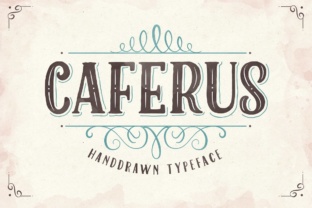
Caferus is a unique layered font that brings a nostalgic, handcrafted feel to modern design. Inspired by the lettering found on vintage cafe signs, it adds a touch of warmth and personality to any project. Whether you're working on branding, marketing materials, or personal creative endeavors, Caferus offers a distinct visual identity that stands out from standard typefaces.
This font isn’t just about aesthetics—it’s also about how it fits into your workflow. From initial concept to final execution, understanding where and how to use Caferus can enhance your design process and elevate the quality of your output.
Understanding Caferus in the Design Process
Caferus is best suited for projects that require a friendly, approachable tone. Its layered structure gives it depth, making it ideal for headlines, logos, and other visual elements where legibility and character matter. Unlike many fonts that prioritize minimalism, Caferus embraces a more organic look, which can be especially effective in branding that aims to convey authenticity and warmth.
When integrating Caferus into your design process, consider the context of your work. If you’re creating content for a café, a lifestyle brand, or a community-focused initiative, this font can help reinforce the message you’re trying to communicate. It’s not just a choice of style—it’s a strategic decision that aligns with your overall visual language.
Using Caferus Before, During, and After a Project
Before starting a project, it’s important to define your visual direction. Caferus can play a role in this early stage by helping you establish a mood or theme. For example, if you're designing a menu for a new coffee shop, using Caferus in your mockups can give stakeholders a clear sense of the aesthetic you’re aiming for.
During the creation phase, Caferus can be used alongside other design tools to maintain consistency. Whether you’re working in Adobe Illustrator, Photoshop, or a web-based platform like Canva, ensuring that the font is applied uniformly across all assets will help maintain a cohesive look. This is especially important when multiple team members are involved, as it reduces the risk of visual inconsistencies.
After completing a project, Caferus can still have value. It can be used in post-launch materials such as social media posts, email newsletters, or promotional banners. Its retro-inspired design makes it versatile enough to fit into various formats while maintaining a strong visual identity.
How Caferus Integrates with Other Tools and Methods
Caferus works well with other design elements, such as color schemes, imagery, and layout structures. When paired with warm tones like amber, rust, or earthy greens, it enhances the overall feeling of the design. It also complements hand-drawn illustrations or vintage-style graphics, creating a unified aesthetic that feels intentional and thoughtful.
In a collaborative environment, Caferus can serve as a common visual reference. If you’re working with a team of designers, copywriters, or marketers, having a shared font library that includes Caferus ensures everyone is aligned on the visual direction. This can streamline the review and approval process, reducing the need for repeated revisions.
For those using design systems or brand guidelines, Caferus can be incorporated as a secondary or accent font. This allows it to stand out without overwhelming the primary typography. It’s also useful in situations where you want to add a personal touch to a project, such as in a portfolio piece or a client presentation.
Practical Implementation Tips
To get the most out of Caferus, start by testing it in different contexts. Experiment with varying sizes, weights, and spacing to see how it performs in both digital and print formats. Pay attention to how it looks on different backgrounds—light or dark, solid or gradient—to ensure it remains readable and visually appealing.
When using Caferus in digital design, consider its compatibility with different platforms. Some web browsers or software applications may render layered fonts differently, so it’s wise to preview your work across multiple devices. This helps avoid unexpected results and ensures a consistent user experience.
For print projects, make sure to use high-resolution versions of the font. Layered fonts can sometimes lose detail when scaled down, so maintaining clarity is essential. Always check proofs before finalizing any printed materials to catch any issues early.
Workflow Examples and Observations
One practical use case for Caferus is in logo design. If you’re creating a logo for a boutique or a local business, using Caferus can help convey a sense of tradition and craftsmanship. Pair it with a simple icon or emblem to create a balanced composition that feels both modern and timeless.
Another scenario is in content creation. Bloggers, educators, and marketers often use custom fonts to make their work more engaging. By incorporating Caferus into headings or subheadings, you can draw attention to key points while maintaining a friendly, approachable tone. This is particularly effective in long-form content where visual variety is important.
For small businesses, Caferus can be a cost-effective way to differentiate their brand. Instead of relying on generic fonts, they can use this layered typeface to create a unique identity that resonates with their target audience. It’s a subtle but impactful choice that can set them apart from competitors.
Long-Term Use and Maintenance
Over time, the effectiveness of a font can depend on how well it’s maintained within your design ecosystem. If you’re using Caferus regularly, keep an updated version of the font file and ensure it’s accessible to all relevant team members. This helps prevent version mismatches and keeps your design assets organized.
Additionally, stay aware of trends and changes in design preferences. While Caferus has a timeless appeal, it’s always good to evaluate whether it continues to meet your needs. If you find that it no longer aligns with your brand’s direction, consider alternatives that offer similar qualities but better suit your evolving goals.
Ultimately, the success of using Caferus comes down to how well it fits into your overall design strategy. By understanding its strengths, limitations, and integration points, you can make informed decisions that enhance your workflow and deliver better results.