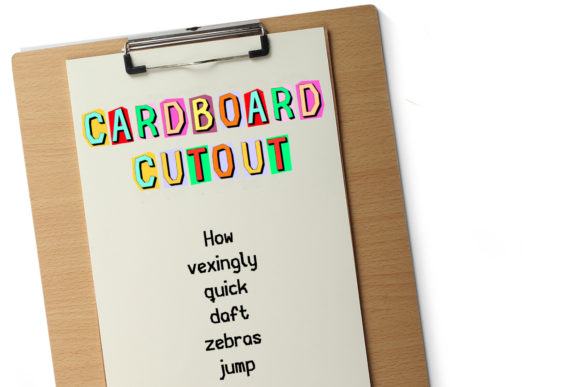
Cardboard Cutout: A Creative and Practical Design Tool
Cardboard Cutout is a unique design concept that blends simplicity with creativity. It involves crafting visual elements using only rectangles and boolean operations, resulting in a style that’s both playful and functional. This approach is ideal for those who want to create clean, minimalistic designs without the complexity of advanced graphic tools.
At its core, Cardboard Cutout is about breaking down complex shapes into basic geometric forms. By combining and subtracting rectangles, designers can achieve intricate visuals that are easy to understand and replicate. This method not only simplifies the design process but also opens up new possibilities for artistic expression.
What Is Cardboard Cutout?
Cardboard Cutout refers to a design technique where images or characters are constructed using only rectangles and boolean operations. These operations include union, intersection, and subtraction, which allow designers to manipulate shapes to form more complex structures. The result is a style that feels handcrafted and whimsical, reminiscent of paper cutouts or cardboard models.
This technique is particularly popular among illustrators, game designers, and educators who need to create clear and engaging visuals quickly. Its simplicity makes it accessible to beginners, while its flexibility allows experienced creators to push the boundaries of what’s possible with basic shapes.
Key Features of Cardboard Cutout
- Minimalist Aesthetic: Cardboard Cutout relies on simple shapes, creating a clean and uncluttered look that stands out in any design context.
- Easy to Create: With no need for advanced software or technical skills, anyone can start experimenting with this style.
- Adaptable: Whether you're designing for print, digital media, or physical models, Cardboard Cutout can be applied across various platforms.
- Cost-Effective: Since it uses only basic shapes, it reduces the need for complex assets or high-end design tools.
Where Can Cardboard Cutout Be Used?
Cardboard Cutout has a wide range of applications, making it a versatile choice for different industries and projects. Here are some common use cases:
- Education: Teachers and educators often use Cardboard Cutout to create visual aids that help students grasp abstract concepts. The simplicity of the style makes it ideal for explaining geometry, anatomy, or even storytelling.
- Game Design: Many indie game developers utilize this technique to create characters and environments that have a distinctive, handmade feel. It’s especially useful for 2D games where a retro or cartoonish aesthetic is desired.
- Marketing and Branding: Businesses looking for a fresh and memorable visual identity may adopt Cardboard Cutout to stand out from competitors. Its playful nature can make branding more relatable and engaging.
- Art and Illustration: Artists and illustrators use this method to explore new creative directions. The constraints of working with only rectangles encourage innovation and problem-solving.
Who Benefits From Cardboard Cutout?
Cardboard Cutout appeals to a broad audience, including:
- Students and Educators: Those looking for an accessible way to learn and teach visual concepts.
- Designers and Artists: Professionals seeking a fresh approach to their work without the burden of complex tools.
- Entrepreneurs and Small Business Owners: Individuals who want to create eye-catching content without a large budget.
- Parents and Kids: Families interested in fun, hands-on creative activities that don’t require expensive materials.
Whether you’re a professional or a hobbyist, Cardboard Cutout offers something valuable. Its simplicity doesn’t limit its potential—it actually enhances it by encouraging creativity and experimentation.
Strengths and Limitations
Like any design method, Cardboard Cutout has its strengths and limitations. Understanding these can help you decide if it’s the right choice for your project.
Strengths:
- Efficiency: Creating visuals with Cardboard Cutout is quick and straightforward, saving time and resources.
- Consistency: The use of basic shapes ensures a cohesive look across different elements of a design.
- Scalability: Designs can easily be resized without losing quality, making them suitable for multiple formats.
Limitations:
- Complexity Constraints: While effective for simple designs, Cardboard Cutout may not be ideal for highly detailed or realistic visuals.
- Visual Repetition: Overuse of the same shapes can lead to a lack of variety, requiring careful planning to maintain visual interest.
- Technical Learning Curve: Although the concept is simple, mastering the use of boolean operations can take time and practice.
Despite these limitations, many find that the benefits of Cardboard Cutout outweigh the challenges, especially when used creatively and thoughtfully.
Real-World Applications of Cardboard Cutout
Let’s explore some real-world examples where Cardboard Cutout has made a difference:
- Children’s Books: Illustrators often use Cardboard Cutout to create engaging characters and scenes that captivate young readers.
- Public Art Installations: Artists have used this technique to create large-scale installations that combine art with interactive elements.
- Mobile App Interfaces: Some app designers incorporate Cardboard Cutout into their UI to give a playful and modern feel.
- Product Packaging: Brands have adopted this style to create eye-catching and memorable packaging that stands out on store shelves.
These examples show how adaptable and effective Cardboard Cutout can be when applied with intention and creativity.
How to Evaluate Suitability for Your Project
If you’re considering using Cardboard Cutout for your next project, here are some factors to consider:
- Project Goals: Ask yourself what you want to achieve. Is clarity, creativity, or cost-efficiency the priority?
- Target Audience: Will your audience respond well to a minimalist or playful style? Consider their preferences and expectations.
- Available Resources: Do you have access to the tools and knowledge needed to implement this style effectively?
- Time Constraints: How much time do you have to complete the project? Cardboard Cutout can save time, but it still requires planning and execution.
By evaluating these factors, you can determine whether Cardboard Cutout aligns with your needs and goals.
Conclusion
Cardboard Cutout is more than just a design trend—it’s a powerful tool that combines simplicity with creativity. Whether you’re a designer, educator, artist, or business owner, there’s value in exploring this approach. Its versatility, ease of use, and unique aesthetic make it a compelling choice for a wide range of applications.
As you experiment with Cardboard Cutout, remember that the key is to embrace the constraints and let them inspire your creativity. With practice and patience, you can unlock new ways to express ideas and connect with your audience through this innovative design method.