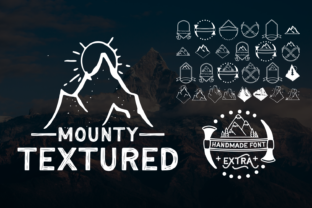
Mounty Textured: A Unique Blend of Style and Substance for Display Typography
Typography plays a crucial role in visual communication, influencing how information is perceived and remembered. Among the many typefaces available, Mounty Textured stands out as a distinctive option that offers both aesthetic appeal and functional versatility. As the sister font to Mounty, it brings a more relaxed and textured feel, making it ideal for a wide range of display needs. Whether you're designing a logo, crafting a website layout, or creating a marketing campaign, Mounty Textured provides a fresh and dynamic alternative to more traditional fonts.
One of the most notable characteristics of Mounty Textured is its textured appearance. Unlike the clean and minimal lines of standard sans-serif or serif fonts, this typeface incorporates subtle textures that add depth and character. These textures can vary from soft graininess to more pronounced roughness, depending on the design intent. This feature makes Mounty Textured particularly effective for projects that require a sense of authenticity or a handmade quality. It’s not just about looking good—it’s about evoking a specific mood or tone that aligns with the message being conveyed.
The Origins and Evolution of Mounty Textured
Mounty Textured was developed as an extension of the original Mounty font, which has been widely used in digital and print media for its modern yet approachable style. While Mounty maintains a sleek and contemporary look, Mounty Textured introduces a more organic feel by incorporating texture into the letterforms. This evolution reflects a growing trend in typography where designers seek to blend digital precision with analog warmth. The result is a font that feels both familiar and innovative, offering something new without straying too far from established typographic principles.
The development of Mounty Textured involved careful consideration of how texture affects legibility and readability. While the addition of texture might seem like it could compromise clarity, the designers behind the font have ensured that it remains highly readable even at smaller sizes. This balance between aesthetics and functionality is what makes Mounty Textured a practical choice for a variety of applications. It’s not just a decorative font—it’s a tool that can enhance the visual hierarchy of a design while maintaining its usability.
Key Features and Characteristics of Mounty Textured
Mounty Textured boasts several unique features that set it apart from other display fonts. One of these is its versatility across different mediums. Whether used in print, digital interfaces, or signage, the font adapts well to various contexts. Its textured elements do not detract from its clarity, allowing it to maintain a strong visual presence in both large-scale and small-scale applications.
Another standout feature is its ability to convey different moods and styles. The texture can be adjusted or emphasized depending on the design requirements, giving creators greater control over the final outcome. For instance, a more pronounced texture might be suitable for a rustic or vintage-themed project, while a subtler texture could work well for a modern and minimalist design. This flexibility makes Mounty Textured a valuable asset for designers who want to express a specific identity or brand voice.
The font also includes a wide range of glyphs and special characters, making it suitable for multilingual content. This is especially useful for international brands or projects that require support for multiple languages. Additionally, the font supports various weight and style options, allowing for further customization and creative expression.
Applications and Use Cases for Mounty Textured
Mounty Textured finds application in a variety of design scenarios, from branding and advertising to web design and editorial layouts. Its textured appearance makes it particularly effective for headlines and titles, where it can draw attention and create a memorable impression. In branding, the font can help establish a unique identity that stands out from competitors. Its relaxed and textured style can communicate a sense of creativity, innovation, or approachability, depending on how it's used.
In web design, Mounty Textured can be used to add visual interest to headings, banners, and call-to-action buttons. When paired with simpler fonts for body text, it creates a balanced and cohesive look. For example, a website using a clean sans-serif for paragraphs but a textured font for headers can achieve a visually engaging layout that guides the reader’s eye effectively.
Editorial design is another area where Mounty Textured shines. Magazines, newspapers, and online publications often use display fonts to highlight key sections or stories. The textured effect can make these elements stand out, adding a layer of sophistication and visual intrigue. It’s also a great choice for book covers, posters, and other promotional materials that require a strong visual impact.
Considerations for Using Mounty Textured
While Mounty Textured offers many benefits, there are some considerations to keep in mind when using it. One of the primary factors is legibility. Although the font is designed to remain readable, excessive texture or poor contrast can make it difficult to read in certain contexts. Designers should test the font in different environments and ensure that it works well with the surrounding text and background.
Another consideration is the file size and performance impact. Textured fonts may require more resources to render, especially on lower-end devices or in web applications. This can affect load times and overall user experience. To mitigate this, designers should optimize the font usage and consider using only the necessary weights and styles.
Finally, it’s important to understand the brand or message that the font is intended to represent. While Mounty Textured is versatile, it may not be suitable for every project. For instance, a high-end luxury brand might prefer a more refined and elegant font, whereas a creative agency or startup could benefit from the unique character of Mounty Textured. Choosing the right font involves aligning it with the overall design strategy and audience expectations.
Best Practices for Integrating Mounty Textured
To get the most out of Mounty Textured, designers should follow some best practices when integrating it into their work. First, start with a clear understanding of the design goals. Ask questions such as: What message does the font need to convey? Who is the target audience? What visual elements will complement the font?
Next, experiment with different weights and styles to find the right balance. Mounty Textured comes in various weights, from light to bold, each offering a different level of emphasis and texture. Testing these variations can help determine which one works best for the specific design context.
Pairing Mounty Textured with other fonts is another effective strategy. Combining it with a simple, clean font for body text can create a harmonious and professional look. For example, using a sans-serif font like Helvetica or Arial alongside Mounty Textured can provide contrast and improve readability without overwhelming the design.
Finally, pay attention to spacing and alignment. The texture of the font can affect how it interacts with other elements on the page. Ensuring proper kerning, tracking, and line spacing can enhance the overall visual appeal and make the text easier to read.