Sunset History: A Handwritten Font That Brings Warmth to Your Designs
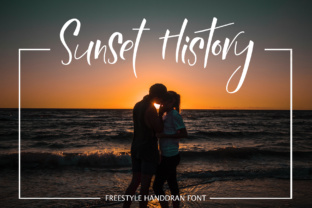
When it comes to typography, the right font can make all the difference in how a message is received. Sunset History is more than just a typeface—it's a statement. This gorgeous handwritten font captures the essence of a golden hour, with each letter carefully crafted to evoke a sense of calm and creativity. Whether you're designing a logo, crafting a brand identity, or adding a personal touch to a project, Sunset History offers a unique blend of elegance and approachability.
What sets Sunset History apart is its attention to detail. Each character has been meticulously written by hand, resulting in a font that feels organic and authentic. The gentle curves and soft edges give it a relaxed, inviting vibe, making it ideal for brands that want to convey warmth and personality. Unlike many digital fonts that can feel stiff or impersonal, Sunset History brings a human touch to every design.
The Appeal of a Handwritten Font
Handwritten fonts have become increasingly popular in recent years, especially among creators and small businesses looking to stand out. They offer a refreshing alternative to the rigid, mechanical look of standard typefaces. Sunset History is particularly appealing because it balances style with readability. It’s not so ornate that it becomes difficult to read, nor is it too plain to make an impact.
For entrepreneurs and marketers, this font can be a powerful tool for building a brandable identity. It conveys a sense of authenticity and creativity, which can resonate with audiences who value originality. However, there are some common pitfalls to be aware of when using a font like Sunset History.
Mistakes to Avoid When Using Sunset History
One of the most frequent mistakes is overusing the font. While Sunset History is beautiful, it’s not designed to be the main text of a long document. Using it for body copy can lead to readability issues and may frustrate readers. Instead, use it for headings, logos, or short phrases where its visual appeal can shine without compromising clarity.
Another common mistake is not considering the context. Sunset History works best in designs that align with its warm, relaxed aesthetic. It may not be the best choice for high-stakes corporate presentations or formal documents. Choosing the wrong context can dilute the message and make the font feel out of place.
Some users also overlook the importance of licensing. Before downloading or purchasing Sunset History, make sure you understand the usage rights. Different licenses may apply depending on whether you’re using it for personal, commercial, or resale purposes. Failing to check these details can lead to legal issues down the line.
How to Make the Most of Sunset History
To get the best results with Sunset History, start by identifying the right use cases. For example, if you're creating a social media post or a promotional flyer, this font can add a personal, artistic flair. Pair it with simpler typefaces for contrast, ensuring that your message remains clear and professional.
Testing the font in different sizes and formats is also essential. What looks great in a headline may not work as well in a smaller size. Always preview the font in the actual design context before finalizing your work. This helps avoid unexpected issues and ensures that the font performs as expected.
Finally, don’t forget to explore variations. Some fonts come in multiple weights or styles, such as bold, italic, or alternate characters. Check if Sunset History offers these options and consider how they can enhance your design. Using different weights can add depth and visual interest without sacrificing readability.
Key Considerations Before Using Sunset History
Before committing to Sunset History, ask yourself a few key questions. Is this font appropriate for the project at hand? Will it help communicate the intended message? Are there any potential limitations in terms of readability or compatibility?
Also, think about your audience. If you're targeting a younger, creative demographic, Sunset History could be a strong fit. However, if your audience values professionalism and structure, you may need to balance it with more traditional fonts. Understanding your audience’s preferences can help you make better design choices.
Lastly, take time to research the font’s reputation. Look for reviews, examples of its use, and feedback from other designers. This can provide valuable insights into how effective the font is in real-world applications and whether it meets industry standards.
Conclusion: Embrace the Beauty of Sunset History
Sunset History is more than just a font—it's a design choice that can elevate your work with its warmth and personality. By understanding its strengths and limitations, you can use it effectively to create visually appealing and meaningful designs. Avoid common mistakes, test thoroughly, and make informed decisions based on your specific needs.
Whether you're a designer, marketer, or business owner, Sunset History offers a unique opportunity to express creativity while maintaining professionalism. With the right approach, it can become a valuable asset in your design toolkit, helping you stand out in a crowded market.